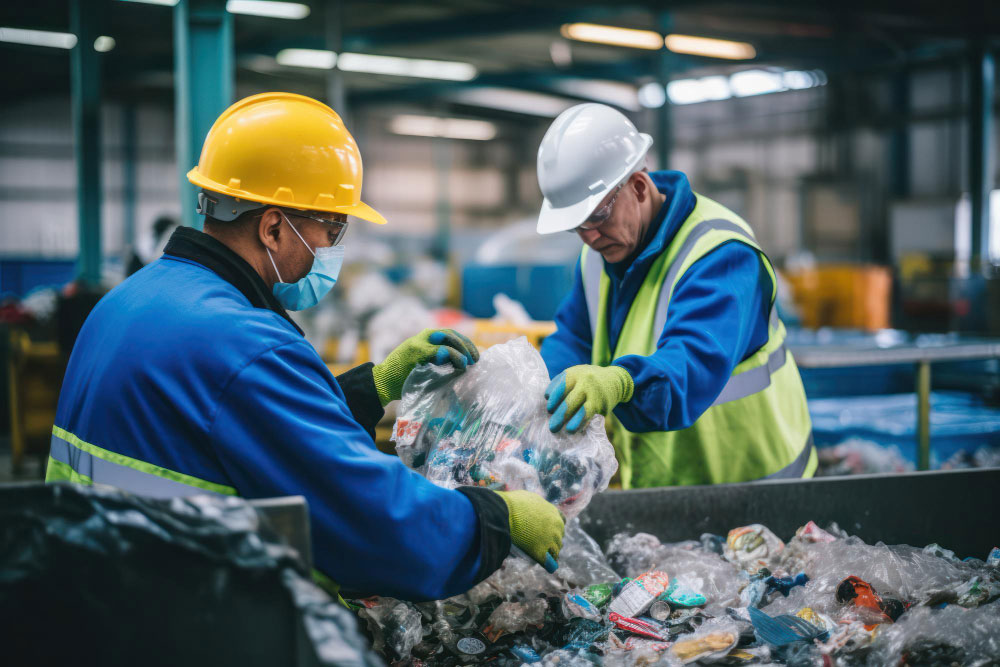
Smart Waste, Clean Future: Qatar’s Green Shift in 2025
In a world grappling with environmental challenges, Qatar is making significant progress toward a sustainable future with its 2025 initiative, “Smart Waste, Clean Future.” As one of the leading providers of the best waste management in Qatar, we are proud to be part of this transformation, leveraging innovative technologies and community engagement to reshape how waste is handled.
Our commitment goes beyond simply collecting waste — we aim to reduce landfill dependency by promoting recycling and waste segregation at the source. Through smart solutions, we help turn waste into valuable resources, supporting Qatar’s vision for a cleaner, healthier environment for future generations.
What does Qatar do with its garbage?
In recent years, Qatar has been at the forefront of innovative waste management practices, implementing strategies designed to mitigate the environmental impact of its waste. Traditionally, waste management in Qatar has relied heavily on landfills, where the majority of solid waste was dumped. However, this approach has led to significant environmental concerns, including soil contamination, greenhouse gas emissions, and the inefficient use of land resources. Recognizing these issues, Qatar has embarked on a transformative journey to revolutionize its waste management system.
As a responsible waste management company, we contribute to this transformation by supporting the country’s initiatives. The shift began with a robust commitment to reducing the volume of waste sent to landfills. This has been achieved through the introduction of recycling programs and the promotion of waste segregation at the source. Citizens are encouraged to separate their organic waste, recyclables, and general waste, facilitating more efficient recycling and processing. Qatar has also invested in the development of waste-to-energy facilities, which convert non-recyclable waste into electricity and heat, thereby reducing reliance on fossil fuels and minimizing landfill use.
Moreover, Qatar’s approach to waste management extends beyond mere disposal. The country is actively exploring circular economy principles, which emphasize the reuse, repair, and recycling of materials to extend their lifecycle. This paradigm shift not only conserves natural resources but also fosters economic opportunities through the creation of new industries and jobs focused on sustainable practices. As one of the best waste management in Qatar service providers, we support this shift by offering innovative and eco-friendly solutions tailored to evolving national needs.
The Role of Citizens in Qatar’s Green Transition
The success of Qatar’s “Smart Waste, Clean Future” initiative heavily relies on active citizen participation. Public awareness campaigns have been instrumental in educating the population about the importance of waste segregation and recycling. These campaigns leverage various media platforms, including social media, television, and community events, to reach a wide audience and instill a sense of responsibility towards sustainable waste practices.
Community engagement programs have been particularly effective in fostering a culture of sustainability. Schools and universities are integrating environmental education into their curricula, ensuring that the younger generation is well-informed about the benefits of recycling and waste reduction. Additionally, community workshops and training sessions provide practical knowledge on how to implement waste segregation and composting at home. As a committed waste management company, we continue to play an active role in such educational initiatives to empower citizens with the knowledge and tools necessary for effective participation.
Incentive schemes further motivate citizens to participate in sustainable waste practices. Programs such as pay-as-you-throw (PAYT) systems charge residents based on the amount of non-recyclable waste they produce, encouraging waste reduction and recycling. Similarly, deposit return schemes for beverage containers offer monetary rewards for returning bottles and cans, thereby promoting recycling. Through these measures, we contribute to fostering a sense of collective responsibility toward a cleaner, greener future.
The Importance of Smart Waste Management
Smart waste management is a critical component of Qatar’s vision for a sustainable future. By leveraging advanced technologies, we aim to optimize waste collection, processing, and disposal, thereby minimizing environmental impact and maximizing resource efficiency. Smart waste management encompasses various innovative solutions, including IoT-enabled waste bins, real-time data analytics, and automated waste sorting systems.
IoT-enabled waste bins are equipped with sensors that monitor fill levels and send alerts to waste collection services when they need to be emptied. This technology ensures that waste bins are emptied promptly, preventing overflow and reducing the frequency of waste collection trips. Consequently, this leads to lower operational costs, reduced carbon emissions from waste collection vehicles, and a cleaner urban environment. Real-time data analytics further enhance waste management efficiency by providing insights into waste generation patterns, enabling authorities to optimize collection routes and schedules.
Automated waste sorting systems utilize advanced technologies such as artificial intelligence and robotics to separate recyclables from general waste. These systems significantly improve the accuracy and speed of waste sorting, ensuring that valuable materials are recovered and recycled. By reducing the reliance on manual labor, automated sorting systems also lower operational costs and enhance worker safety. Through the integration of these smart technologies, we continuously improve our services and reinforce our position among the best waste management in Qatar.
Current Waste Management Practices in Qatar
Qatar’s current waste management practices reflect a blend of traditional and innovative approaches. While landfilling remains a common method of waste disposal, significant strides have been made towards more sustainable alternatives. The introduction of recycling programs has been a pivotal step in reducing the volume of waste sent to landfills. Recyclable materials such as paper, plastics, glass, and metals are collected separately, processed, and reintroduced into the production cycle, thereby conserving natural resources and reducing environmental pollution.
Organic waste management is another area where Qatar has made notable progress. Organic waste, which comprises a significant portion of municipal solid waste, is now being diverted from landfills and processed through composting and anaerobic digestion. Composting converts organic waste into nutrient-rich compost that can be used to enhance soil fertility, while anaerobic digestion produces biogas, a renewable energy source. As a reliable waste management company, we actively support and implement these sustainable practices.
Additionally, Qatar is actively exploring waste-to-energy technologies to manage non-recyclable waste. Waste-to-energy facilities incinerate waste to produce electricity and heat, providing a sustainable alternative to fossil fuels. These facilities are equipped with advanced emission control systems to minimize environmental impact. By diversifying its waste management practices and incorporating innovative solutions, Qatar is making significant strides towards achieving its sustainability goals, and we are proud to contribute to these efforts as one of the best waste management in Qatar.
How is waste being managed?
Waste management in Qatar involves a comprehensive and multi-faceted approach that encompasses waste reduction, recycling, and disposal. At the core of this approach is the principle of waste segregation at the source, which ensures that different types of waste are collected and processed appropriately. Households and businesses are provided with separate bins for organic waste, recyclables, and general waste, facilitating efficient waste collection and processing.
Waste collection services play a crucial role in Qatar’s waste management system. These services are responsible for collecting waste from residential, commercial, and industrial areas and transporting it to designated processing facilities. To enhance efficiency, waste collection schedules and routes are optimized based on real-time data and waste generation patterns. This not only ensures timely collection but also reduces operational costs and environmental impact.
Processing facilities in Qatar are equipped with advanced technologies to handle different types of waste. Recycling facilities process recyclable materials, converting them into raw materials for new products. Composting facilities manage organic waste, producing compost for agricultural use. Waste-to-energy facilities handle non-recyclable waste, generating electricity and heat. As a technology-driven waste management company, we ensure that these diverse processing methods are integrated seamlessly, helping reduce landfill use and promote sustainability.
Government Initiatives Supporting Sustainable Waste Solutions
The Qatari government has been instrumental in driving the nation’s transition towards sustainable waste management. A series of policies and regulations have been introduced to promote waste reduction, recycling, and sustainable disposal practices. The National Development Strategy (NDS) outlines the government’s commitment to environmental sustainability, with specific targets for waste management and resource conservation.
One of the key government initiatives is the establishment of the Qatar Waste Management Center (QWMC), a state-of-the-art facility dedicated to managing and processing waste. The QWMC is equipped with advanced technologies for sorting, recycling, composting, and waste-to-energy conversion. This facility serves as a central hub for waste management in Qatar, streamlining operations and improving efficiency.
In addition to infrastructure development, the government has implemented policies to encourage sustainable waste practices. Regulatory measures such as landfill taxes and waste disposal fees incentivize businesses and individuals to reduce waste and recycle more. Public-private partnerships are also promoted to facilitate the development of innovative waste management solutions. As one of the best waste management in Qatar providers, we welcome and align with these government-led efforts to create a cleaner, more sustainable future.
Case Studies: Successful Smart Waste Projects Globally
Qatar’s efforts in smart waste management are part of a broader global movement towards sustainable waste solutions. Several successful smart waste projects from around the world offer valuable insights and best practices that can inform Qatar’s initiatives. These case studies demonstrate the potential of innovative technologies and community engagement in achieving sustainable waste management.
One notable example is Sweden’s waste-to-energy program. Sweden has implemented an extensive network of waste-to-energy plants that convert non-recyclable waste into electricity and district heating. This approach has significantly reduced landfill use, with less than 1% of Sweden’s household waste ending up in landfills. The program’s success is attributed to robust waste segregation practices, advanced technology, and strong public participation.
Another exemplary project is South Korea’s volume-based waste fee system. This system charges residents based on the amount of waste they generate, incentivizing waste reduction and recycling. The program has led to a substantial decrease in municipal solid waste and an increase in recycling rates. The success of this initiative highlights the importance of economic incentives in promoting sustainable waste practices.
Singapore’s smart waste management system is also worth noting. The city-state has implemented a comprehensive waste management strategy that includes IoT-enabled waste bins, automated waste collection systems, and advanced recycling facilities. Real-time data analytics are used to optimize waste collection routes and schedules, enhancing efficiency and reducing environmental impact. Such global examples reinforce our belief that Qatar can lead the region with the best waste management in Qatar.
Future Predictions for Waste Management in Qatar
As Qatar continues to advance its waste management initiatives, several trends and predictions can be anticipated for the future. One key trend is the increasing integration of smart technologies in waste management. The use of IoT-enabled waste bins, real-time data analytics, and automated sorting systems is expected to become more prevalent, enhancing efficiency and sustainability. These technologies will enable more precise monitoring and management of waste, reducing operational costs and environmental impact.
Another significant trend is the shift towards a circular economy. Qatar is likely to place greater emphasis on recycling, reusing, and repairing materials to extend their lifecycle. This approach not only conserves natural resources but also creates economic opportunities through the development of new industries focused on sustainable practices. As a forward-thinking waste management company, we are committed to supporting this transition.
Community engagement will continue to be a cornerstone of Qatar’s waste management strategy. Public awareness campaigns, educational programs, and incentive schemes will be expanded to further promote sustainable waste practices among citizens. Active citizen participation will be essential in achieving the nation’s sustainability goals and fostering a culture of environmental responsibility.
In conclusion, Qatar’s “Smart Waste, Clean Future” initiative represents a bold and forward-thinking approach to waste management. Through the integration of innovative technologies, community engagement, and government support, the country is paving the way for a sustainable future. As one of the best waste management in Qatar providers, we are honored to contribute to this national journey and continue setting new benchmarks for sustainable environmental solutions.